Home » Blog » Artificial Intelligence
Artificial Intelligence: The Opportunity to Unlock Our Full Potential
Discover how artificial intelligence helps us overcome barriers, enhance skills, and develop human talent with greater confidence.
Why Choose The Flock?

+15.000 top-tier remote devs
Payroll & Compliance
Backlog Management
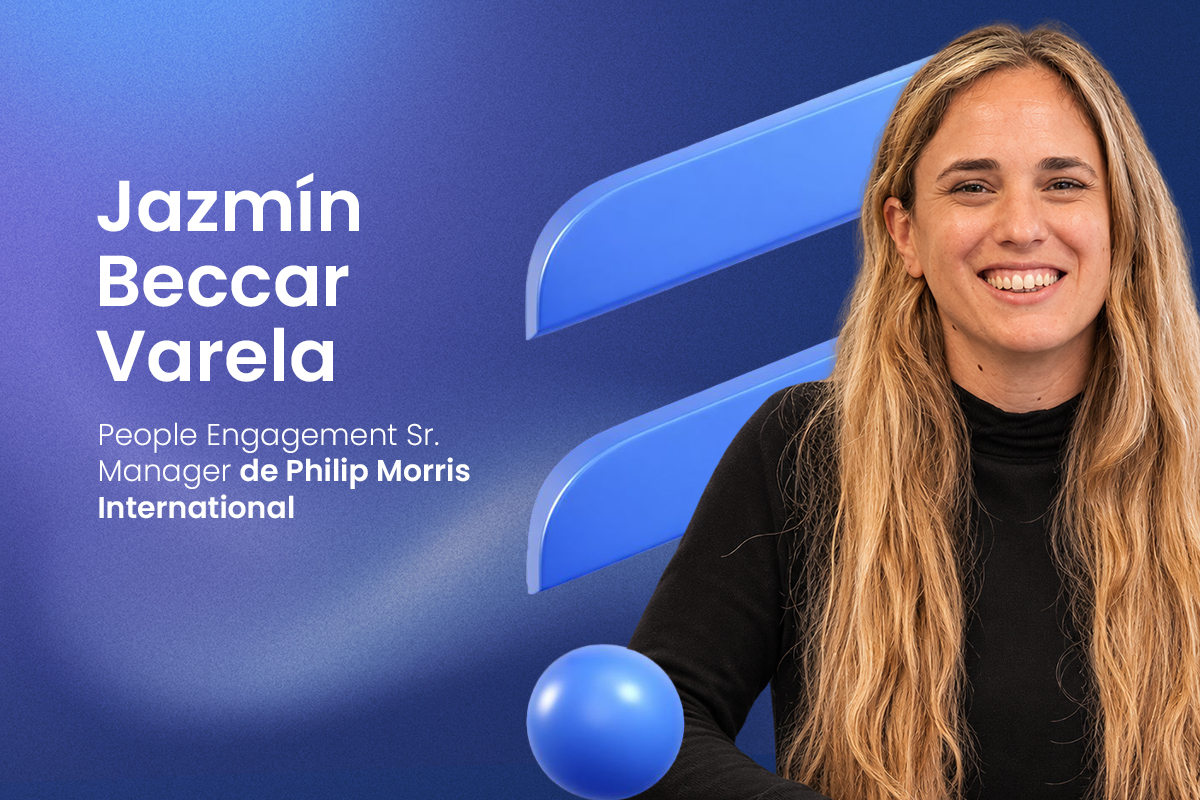
A few months ago, I was preparing a presentation. I was clear about the message I wanted to convey, but I was struggling to structure it clearly. My ideas were scattered everywhere—computer notes, iPad annotations, work notebook, phrases in my personal chat... I had everything, yet I felt like I was staring at a blank page, and time was running out.
So, I did something that just a few years ago would have seemed strange: I sat down to chat with my friend Copito (AI).
In almost a desperate plea, I said, "please, help me organize my ideas, ask me anything you want, and let's shape it together." I asked it to challenge some approaches and to take on the role of high-ranking leaders, asking me tough questions that I could answer, helping me find ways to clarify those gray areas with everything I had in my head.
And as I worked, I thought: perhaps the true revolution of artificial intelligence is not technological, but profoundly human.
For years, we built our careers trying to compensate for our shortcomings. If writing wasn't our strength, we had to improve. If we struggled with data analysis, public speaking, or structuring an idea, we had to learn to overcome those barriers that could limit us. We invested a huge amount of energy trying to get closer to an ideal version of the professional we wanted to be, knowing everything.
But from my perspective, AI changes that logic.
For the first time, we have tools capable of helping us with what doesn't come naturally to us. They allow us to write better, summarize information, practice difficult conversations, organize thoughts, or explore alternatives that might not have occurred to us.
And when those barriers start to slowly fall, something interesting happens: we gain time and confidence to focus on what truly sets us apart. This doesn't mean we stop expanding our knowledge; it means understanding where to put our energy and where not to.
I won't deny that I'm excited about this. I see people daring to do things they once thought were out of their reach, talents that were hidden behind technical insecurities, more and more people creating, sharing knowledge, asking, proposing, and experimenting. And this is not because AI does the work for them, but because they find in it the push to start.
AI doesn't replace judgment, curiosity, empathy, or creativity (though it does offer interesting approaches that one can start to play with). Nor does it replace the ability to build relationships, inspire others, or understand complex contexts. In fact, I believe those human skills will become increasingly valuable.
Now, if we all have access to similar tools, the difference will be in how we choose to use them.
So, when I'm asked if AI will transform work, my answer is yes. But not with the fear that it will replace us, but with the belief that it will expand our possibilities.
And perhaps therein lies the greatest opportunity of all: to stop putting energy into trying to be good at everything and start developing, with more confidence than ever, what makes us unique.
Why Choose The Flock?
+15.000 top-tier remote devs
Payroll & Compliance
Backlog Management