Home » Blog » Artificial Intelligence
Artificial Intelligence in the Workplace: How to Adapt to Change
Artificial intelligence is already transforming work. Adapting, learning, and leading change are key to professional and organizational development today.
Why Choose The Flock?

+15.000 top-tier remote devs
Payroll & Compliance
Backlog Management
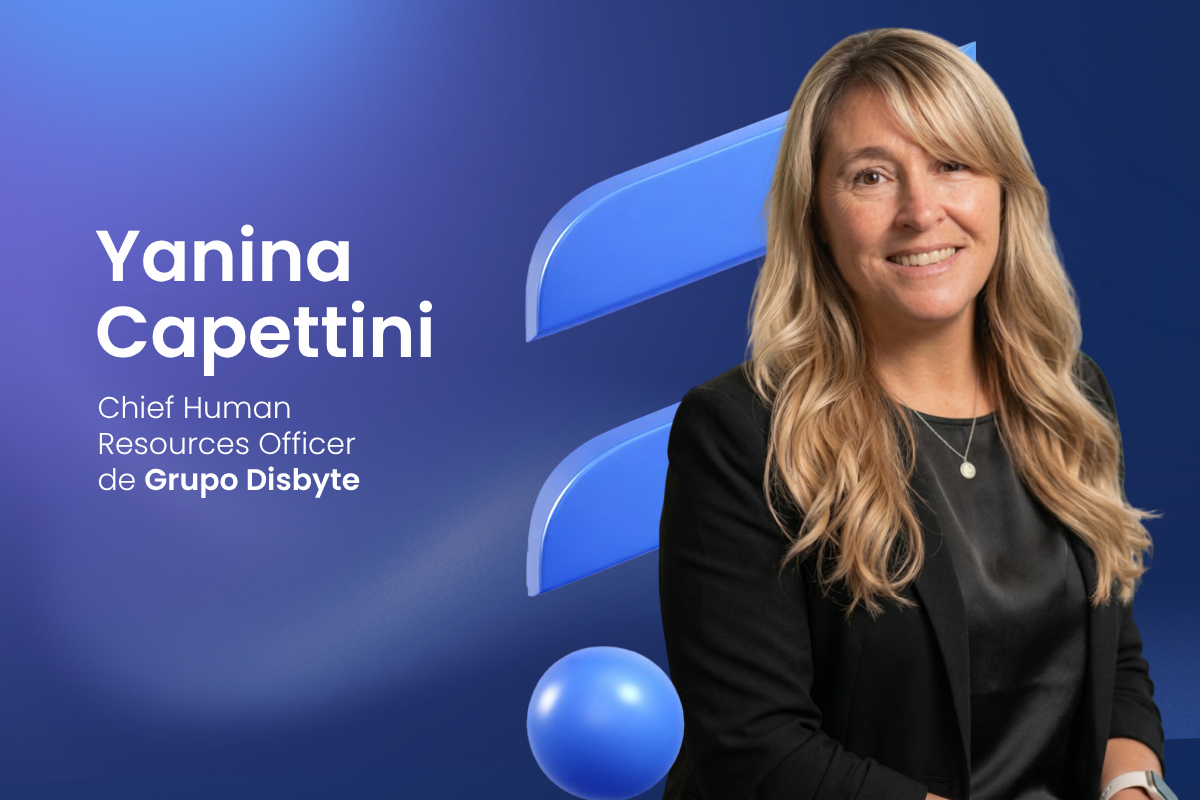
We live in an increasingly complex and constantly changing world. In this context, the agility to learn and the ability to adapt to new tools and scenarios have become essential skills rather than just desirable ones.
Artificial intelligence plays a crucial role in this equation. It's not a passing trend or a promise for the future: it is changing the way we work, learn, and evolve professionally today. Those who embrace these tools with curiosity and integrate them into their daily lives will achieve results that previously required much more time, effort, and resources. Those who still doubt its transformative power risk falling behind, not due to a lack of talent, but because of resistance to change.
However, adopting AI doesn't mean using it indiscriminately. It's essential to understand why we use it, in what context it adds real value, and how to make the most of each tool. AI enhances but does not replace critical thinking, empathy, or the ability to make strategic decisions.
And as with any learning process, the journey begins by daring to try. Give yourself the opportunity to explore, overcome fear, experiment, make mistakes, and start over. There's no right way to begin: you need to open the tool, test it, ask questions, see what works and what doesn't. Every attempt, even the failed ones, builds experience. No one learns to use AI by reading about it; you learn by using it. And the sooner you start, the faster you'll discover how to genuinely integrate it into your work style.
But this cannot rely solely on individual initiative. Organizations and their leaders have a key role: creating the conditions for exploration to happen. This means allowing time to learn, creating safe spaces to experiment without fear of error, and above all, leading by example. A culture that punishes mistakes stifles innovation. A culture that encourages trying accelerates transformation.
In People, we are already seeing its concrete impact: it allows us to automate operational processes, build dashboards with key metrics for decision-making, and generate quality material for meetings and training in a fraction of the time. This frees up space for what truly matters: strategizing, supporting people, and designing better work experiences.
The change has already begun. The advantage will not go to those who know the most about technology, but to those who learn to integrate it with purpose the fastest.
FAQs about AI and Work
1. What is changing in work with artificial intelligence?
AI is transforming the way we work today, not in the future. It is automating operational tasks, speeding up decision-making, and enabling results that previously required much more time and resources. The change is not gradual: it is already happening, and adapting to it is a concrete professional necessity.
2. How can I adapt to AI and use it wisely?
The first step is to dare to explore. There is no right way to start: it's about opening the tool, experimenting, asking questions, and learning from the process. Using AI wisely means understanding what it is for in each context, what real value it adds, and how it complements, without replacing, critical thinking and decision-making ability.
3. What is the role of leaders in AI adoption?
Leaders have the responsibility to create the conditions for exploration to happen. This involves allowing time to learn, generating safe spaces where mistakes have no cost, and leading by example. A culture that punishes mistakes stifles innovation; one that encourages trying accelerates it.
4. How is AI being used in Human Resources and People?
In People areas, AI already has concrete applications: automating operational processes, building dashboards with key metrics for decision-making, and generating materials for meetings and training in much less time. This frees up space for strategic tasks: supporting people, designing work experiences, and thinking long-term.
5. Are human skills still relevant with AI?
More than ever. AI enhances capabilities but does not replace critical thinking, empathy, creativity, or strategic decision-making. In the era of artificial intelligence, human skills do not lose value: they become the real differentiator for individuals and organizations.
6. Where do I start integrating AI into my daily work?
Simply by opening the tool. No one learns about AI by reading about it; you learn by using it. You can start with specific tasks in your daily routine: writing, summarizing, analyzing, organizing. Every attempt, even the failed ones, builds experience. The sooner you start, the faster you'll discover how to genuinely integrate it into your work style.
Why Choose The Flock?
+15.000 top-tier remote devs
Payroll & Compliance
Backlog Management