Home » Blog » Artificial Intelligence
Change Management in the Age of AI: How to Lead Transformation Without Losing the Human Touch
The adoption of artificial intelligence requires more than just technology. Discover how to manage resistance, support people, and lead an effective organizational transformation.
Why Choose The Flock?

+15.000 top-tier remote devs
Payroll & Compliance
Backlog Management
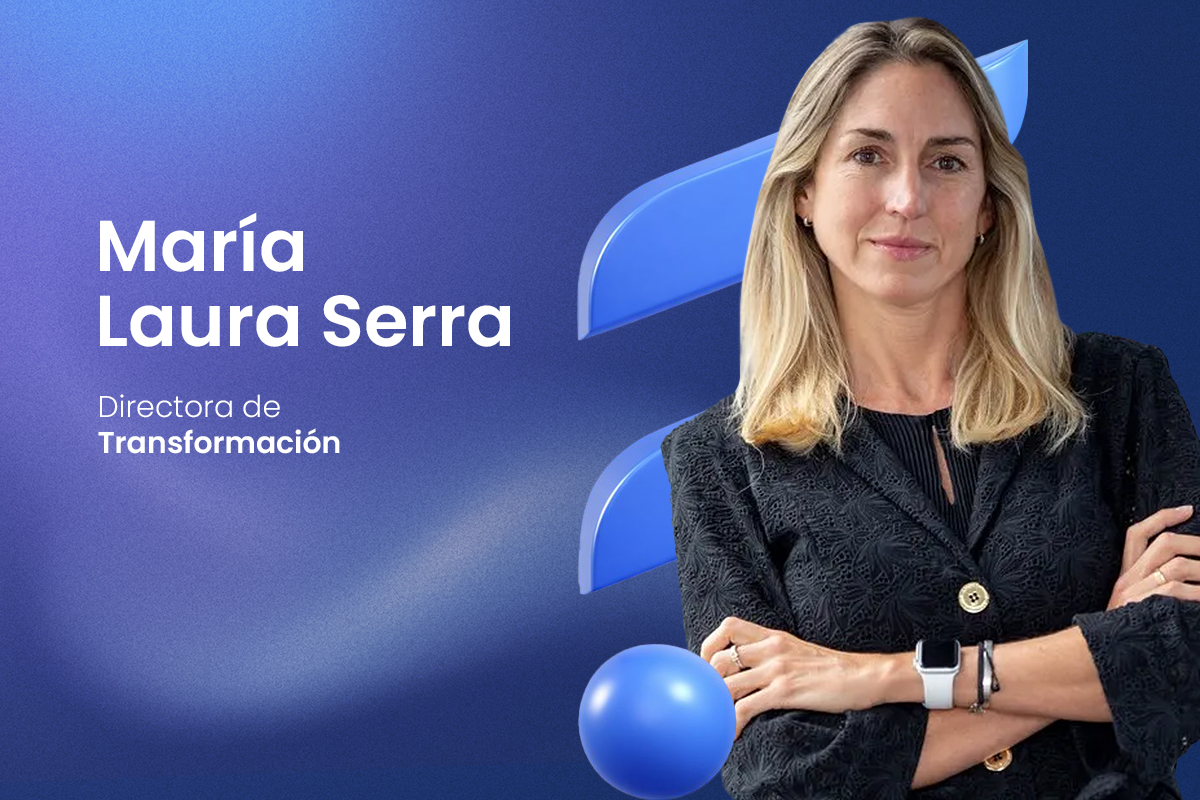
I was asked this question, and it really concerned me. Generative AI arrived with such speed that it left us no room for planning. And because I've had to witness the human cost of not adapting.
I've been in the corporate world for over 30 years. From the beginning, I felt my goal was simple: improve the way things are done. In my first assignment, at 20 years old, in a junior position at the largest bank in the country, I automated a couple of processes with Lotus 123 and WordStar. The result? Two people were left without tasks. I remember perfectly the weight of that reproach, but it was too late; my boss was delighted.
Years later, in the Operations area of a service company, I had to lead change for over a thousand people. There, I faced resistance to change in all its forms: explicit, silent, conscious, and unconscious. Unions, absenteeism, tough workplace climate meetings, excuses, and explanations of all kinds. I confess that at the time, that friction hit me hard and drained my energy.
Back then, with a deeply structured mindset, I sought refuge in psychology and philosophy books. I realized something fundamental: my technical knowledge in finance and systems was not enough to achieve the objectives, much less to enjoy the journey.
Then came the click. I learned to listen actively, to understand and accept—not necessarily adopt—the different perspectives, motivations, and priorities of each person. The reality is harsh but clear: not everyone wants to join a transformation. Some prefer to cling to routine, deal with the known, and ration their energy. And there is also fear.
Therein lies the real dilemma: what do we do with those who can't or won't?
The Human Factor: The Variable No Technology Solves
Technological tools accelerate impacts but do not convince people. Despite this, many corporations still do not value change management, and several executives consider it dispensable to open a workstream in their agendas.
My experience has taught me the exact opposite: the human impact must be the priority. The efficiency and effectiveness of any transformation are directly proportional to how change is managed in the affected people.
The impact of change is not only seen in metrics; it is felt in the hallways, in the pace of milestone achievement, and in the quality of decisions made without wasting time on sterile discussions because the whole team understands the direction.
For a transformation to work, it must be socialized. If each participant in the ecosystem evolves to some extent, the transformation permeates; otherwise, it remains reserved for a few and ends up doomed to failure.
How to Map and Manage Change
Achieving this alignment is not immediate, but some things can be done, such as:
1. Map the people: Identify who are the enthusiasts, who are the detractors (active or passive), and who remain neutral.
2. Design strategies: Create a concrete plan for each group. It must be accepted that there may not be room for everyone, but defining that in time is also part of mature management.
3. Transparent communication and active listening: Present the purpose from day one, open space for questioning, and measure objectives clearly.
Today, artificial intelligence gives us a great operational boost. It allows us to generate customized training content, create 24/7 assistants to resolve doubts, structure procedure manuals, and design evaluations in record time.
Generative AI presents us with a new scale to transform organizations, proposing much higher steps and drastic changes. Although we are still seeing the early stages in our industry, the quantum leap is imminent.
AI First, but Human Always
In summary, the question we leaders must answer is not just what value a disruption generates, but what impact it will have on people's lives and work. How much will they have to change their habits? How many will manage to adapt, and how many will be frustrated along the way?
Our role is not to impose change but to accompany it: shape expectations, help visualize new possibilities, and understand that each person goes through their own process.
The new era driven by artificial intelligence does not come to eliminate humans; it comes to enhance them. The premise moving forward is clear: AI First, but always Human Always.
FAQs on Change Management with Artificial Intelligence
1. What is change management with artificial intelligence?
It is accompanying people during a transformation with AI, considering its impact on habits, tasks, and ways of working.
2. Why do people resist adopting artificial intelligence?
Due to attachment to the known, uncertainty, or difficulty adapting to new ways of working.
3. How to prepare employees for a transformation with AI?
By identifying their stance on change, communicating the purpose, and accompanying the process with listening and training.
4. How to measure AI adoption in a company?
Through milestone achievement, the incorporation of new practices, and the level of team alignment.
5. What role does leadership play in the adoption of artificial intelligence?
Providing direction, accompanying people, and managing the human impact of the transformation.
Why Choose The Flock?
+15.000 top-tier remote devs
Payroll & Compliance
Backlog Management